
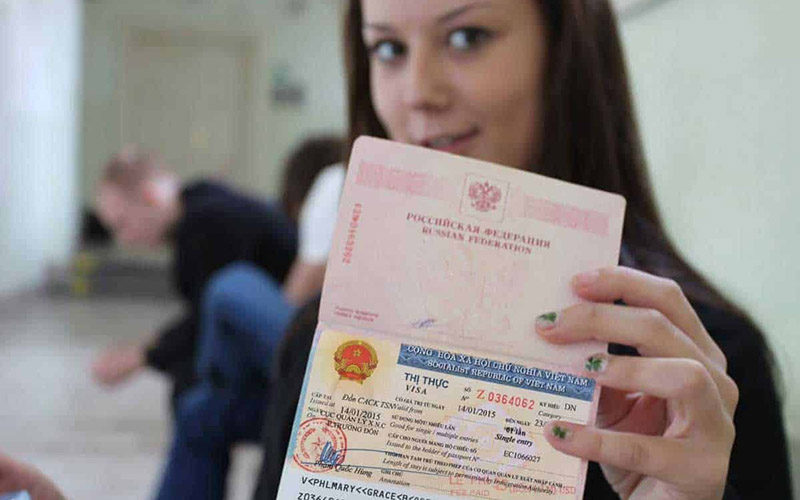

The tourist visa for Vietnam is no longer a major barrier thanks to simplified procedures, making traveling to this country easier than ever before. Especially since April 2023, Vietnam has opened its doors to welcome visitors from 25 countries around the world, allowing them to freely set foot and enjoy the interesting things here without the need for a limited-term tourist visa. However, some tourists still need to apply for this visa in order to visit Vietnam, providing an opportunity for everyone to explore the beauty of the S-shaped country.
What is a tourist visa?
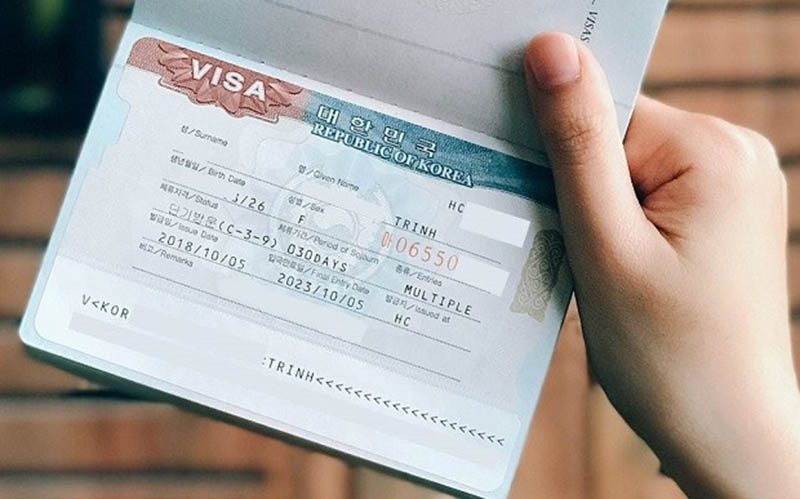
A tourist visa is a type of visa for foreign citizens who want to visit and vacation in Vietnam. According to the Law on Entry, Exit, Transit, and Residence of Foreigners in Vietnam in 2014, the tourist visa is designated as the DL visa and has a maximum validity period of 3 months. According to this regulation, foreign nationals can stay in Vietnam for a maximum of 30 days per entry and can extend their stay when in Vietnam.
Tourist visas for travelers can be classified based on the duration of stay and number of entries. There are visa types such as 1 month/single entry, 1 month/multiple entries, 3 months/single entry, and 3 months/multiple entries. Additionally, only U.S. passport holders are allowed to apply for a Vietnam visa with a validity of 1 year and multiple entry privileges.
These regulations simplify the process of applying for a tourist visa and provide flexibility for tourists when visiting Vietnam. Travelers can choose a suitable duration of stay according to their plans and enjoy unique experiences of culture and nature in this country.
Vietnam always welcomes international tourists and is committed to creating favorable conditions for tourism. Providing diverse types of tourist visas is an important step in attracting visitors and discovering the beauty of Vietnam.
Who is eligible for a tourist visa to Vietnam?
There are currently 25 countries that are exempt from tourist visa requirements when entering Vietnam. This means that if you hold the nationality of one of these countries, you can visit Vietnam for a specific period of time for tourism purposes without needing to apply for a visa. However, if you hold a different nationality or wish to stay longer than the allowed visa-exempt period (up to 90 days), you will need to apply for a tourist visa.
It’s important to note that the tourist visa does not apply to business purposes, and foreign nationals are not allowed to work or engage in business activities during their stay in Vietnam.
[ninja_tables id=”11048″]
Please note: For specific and up-to-date information, please refer to the official website of the Vietnam Immigration Department to see the list of countries exempt from tourist visa requirements in Vietnam.
Requirements for Applying for a Tourist Visa to Vietnam
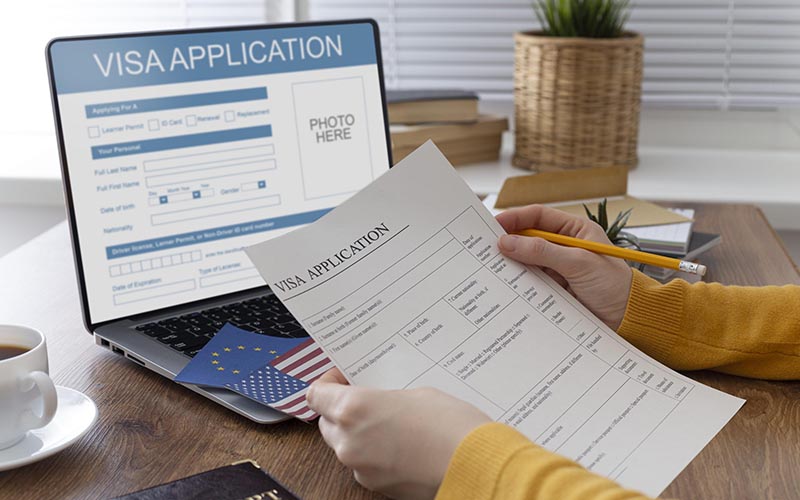
The necessary requirements to be granted a tourist visa for foreign nationals include the following conditions:
- Foreign nationals must have a residence address outside of Vietnam.
- The passport of the foreign national must have a validity of at least 6 months from the intended date of entry.
- Foreign nationals must have a round-trip air ticket to Vietnam.
- Foreign nationals need to have hotel reservations or register for a tour organized by a Vietnamese travel company.
- Foreign nationals must not be on the list of prohibited entry to Vietnam.
Adhering to the above conditions will ensure that foreign nationals can be granted a tourist visa and comfortably explore and experience the most interesting and memorable aspects of Vietnam.
How to Apply for a Tourist Visa to Vietnam
Preparing Documents
To apply for a tourist visa to Vietnam conveniently and quickly, travelers need to prepare the following necessary documents:
+ Passport: The passport must have a validity of at least 6 months and at least 2 blank pages.
+ Provide 2 recent passport-sized photos: The photos should be 4x6cm, taken against a white background, with a clear face, no glasses, no hats or head coverings, and directly facing the camera.
+ Provide information about the intended date of entry and exit from Vietnam.
+ Complete the visa application form (NA2) in full.
+ Pay the visa fee as required.
3 Ways to Apply for a Tourist Visa to Vietnam
Applying for a Visa at the Embassy/Consulate of Vietnam
The most commonly applied method for obtaining a tourist visa is by submitting an application at the Embassy or Consulate of Vietnam in your home country. Through this method, you can complete the visa application process in person, and the visa will be stamped onto your passport before you embark on your journey.
Here are the basic steps to apply for a visa at the Embassy or Consulate:
+ Step 1: Visit the Embassy or Consulate of Vietnam in your home country and submit the required documents. Make sure to carefully check these requirements as procedures may vary depending on the Embassy and the country you are in.
+ Step 2: Pay the visa fee as specified by the Embassy or Consulate. This fee may vary depending on the location and type of visa you are applying for.
+ Step 3: Return to the Embassy or Consulate to retrieve your original passport if your application is approved. The visa will be stamped onto your passport.
It is important to adhere to the procedures and requirements of the Embassy or Consulate to ensure a smooth and successful tourist visa application process.
Visa on Arrival
Visa on Arrival is one of the most convenient methods to apply for a tourist visa to Vietnam and is applicable only for air travelers. This allows tourists to skip the process of directly visiting the Embassy and provides flexibility in terms of the duration of stay and entry time.
+ Step 1: Contact the Vietnamese visa agency in advance to obtain an approval letter for visa on arrival. This letter is mandatory for boarding the plane and later receiving the visa stamp at Vietnamese airports. Note that service fees may vary depending on the agency.
+ Step 2: Print out the approval letter and the visa application form provided by the agency. Fill in the required information on the visa application form and prepare all necessary documents before your flight.
+ Step 3: Upon arrival in Vietnam, present the approval letter along with all required documents (including 2 passport-sized photos, original passport, and cash payment for the stamping fee) to receive the visa stamp at one of Vietnam’s 8 international airports.
Through this process, you can easily and conveniently apply for a visa on arrival to Vietnam, saving time and meeting the needs of travelers in exploring the country.
E-visa
The Electronic Visa (e-visa) system has been implemented for citizens of 80 countries worldwide, allowing entry into Vietnam through one of the 33 designated ports of entry, including airports, seaports, and land ports. The e-visa application process is entirely online, eliminating the need for submitting the original passport and reducing the complexity of document preparation, thus saving time for travelers.
Here are the steps to apply for an e-visa:
+ Step 1: Access the official website of the e-visa system at https://evisa.xuatnhapcanh.gov.vn/web/guest/trang-chu-ttdt and provide complete personal information (including passport photo, passport data page photo), and travel itinerary details. Keep the provided registration code for future reference.
+ Step 2: Pay the e-visa application fee (USD 25) as instructed on the website.
+ Step 3: Check the result using the registration code through the search function on the website. Download the issued e-visa and print a hard copy to use upon arrival at the airport.
By utilizing the e-visa system, travelers can save time and enjoy the convenience of the visa application process while exploring the beauty of Vietnam.
- You May Be Interested: Vietnam Visa Extension
Processing Time & Cost of Applying for a Tourist Visa to Vietnam
Processing Time:
The processing time for a tourist visa may vary depending on the method you choose to apply for the visa. Here are estimated processing times that you can refer to:
+ Embassy/Consulate Visa: The processing time is usually between 5-7 days, depending on the procedures of the specific Embassy or Consulate.
+ Visa on Arrival: The processing time is typically between 3-5 days for regular service and 2-4 hours for urgent service. This process allows you to submit the visa application and receive the visa stamp at the port of entry when you arrive in Vietnam.
+ E-visa: The normal processing time is 3 days. You can apply for an e-visa online and then receive the visa via email. This process saves time and is convenient for travelers.
Note that these are only estimated processing times, and the actual processing time may vary depending on specific requirements and circumstances. It is important to plan ahead and submit your visa application in a timely manner to ensure that you have the tourist visa on time for your trip.
Cost:
+ Visa fees at the Embassy/Consulate are determined flexibly by each specific Embassy/Consulate.
+ Visa on Arrival: Approval letter service fees range from $20-$60, and the stamping fee at the airport ranges from $25-$50 ($25 for single entry and $50 for multiple entries for 1 or 3-month visa validity).
+ Additionally, you can apply for an e-visa with a fee of $25 (non-refundable if not approved).
Please note that these visa fees are subject to change, and it is advisable to check the official website or consult with the relevant authorities for the most accurate and up-to-date information.
0 Comment