


Japanese Bridge Hoi An is not only a famous tourist destination known by many but also the soul of the land and its people, a testament to its history. The bridge serves as a link connecting the past to the present for each person born on the land of Hoi An. Let’s explore the significance of this special bridge together with danangtourscity.com!
Where is Japanese Bridge Hoi An located?

The Japanese Bridge Hoi An is a bridge located on Nguyen Thi Minh Khai Street, Minh Khai Ward, in the ancient town of Hoi An, Hoi An City. This bridge was built by the Japanese during the war. To this day, the bridge has a lifespan of up to 400 years.
Previously, the bridge was also known as the Japanese Bridge or the Lai Kieu Vien Bridge. Visitors come here to sightsee and pay respects at the temple. It is also featured on the 20,000 Vietnamese dong banknote as a way to honor the historical value of the bridge.
This is the first tourist destination for most visitors on their journey to explore Hoi An Ancient Town. The temple is located in the ticket-selling area, and by walking a few hundred meters, you will find the Japanese Bridge situated over a small branch of the Thu Bon River. Therefore, you can combine visiting the ancient town with exploring the Japanese Bridge.
The History of the Japanese Bridge in Hoi An

In the past, Hoi An was a major trading port that attracted foreign merchants from countries such as France, the Netherlands, China, Japan, and England. Therefore, the Japanese Covered Bridge was also built by Japanese merchants in the early 17th century.
According to legend, the Vietnamese, Japanese, and Chinese people all believed in a common cause of earthquakes. They believed that there was a sea monster in the ocean, known as “Con Cu” in Vietnamese, “Mamazu” in Japanese, and “Cau Long” in Chinese.
It is said that the head of this sea monster was in Japan, its tail in India, and its back arched through the gap in Hoi An where the Japanese bridge was built. Every time the sea monster thrashed about, an earthquake would occur, causing unrest and disruption in the three countries’ trading activities. To control Mamazu, the Japanese people built shrines dedicated to the Monkey and Dog deities on both ends of the bridge to ward off the sea monster’s curse.
Unique Architecture at the Japanese Covered Bridge

The Hoi An Japanese Covered Bridge was recognized as a national historical and cultural relic in 1990. It is not only a historical treasure but also holds great significance in the spiritual and emotional life of the local people.
The bridge spans approximately 18 meters, curving over a small waterway flowing into the Thu Bon River. It is considered one of the architectural marvels with unique features. The bridge is covered by a roof made of yin and yang tiles, completely enclosing the structure.
At the main entrance of the bridge, there is a large wooden plaque inscribed with three Chinese characters, “Lai Van Kieu.” Both the bridge and the pagoda are constructed from wood and meticulously painted. Thanks to this careful craftsmanship, the bridge has remained intact and preserved its inherent beauty over its more than 400-year history.
The front of the pagoda is designed to face the riverbank, and on both ends of the bridge, there are wooden statues of animals. One end features a dog statue, representing the year of construction, while the other end features a monkey statue, representing the year of project completion. These two animals have been revered by the Japanese people since ancient times.
Despite being called a pagoda, the interior of the structure does not house a Buddha statue. Instead, the main chamber is dedicated to a wooden statue of Bac De Tran Vo, a protective deity of the land who bestows happiness and joy upon everyone. To this day, the Hoi An Japanese Covered Bridge remains a sacred and revered place for both local residents and visitors to pay their respects.
Tourist Attractions near Japanese Bridge Hoi An
Hoi An Ancient Town

Hoi An Ancient Town is located right within the old quarter and is situated at the beginning of the entrance road. Because of this, when visiting the Japanese Covered Bridge, you can also explore the Hoi An Ancient Town. The Ancient Town was once a renowned trading port, covering an area of only about 2 square kilometers. Therefore, you can leisurely walk around this historic urban area without worrying about tired feet.
Inside the town, you will find numerous ancient houses, characterized by their time-honored yellow color. Some houses showcase intricate architectural details, while others display walls covered in lush moss.
Within the ancient town, there are also plenty of delicious local specialties to try, such as “nuoc mot” (a type of local noodle soup), “cao lau” (a Hoi An specialty noodle dish), and “banh mi” (Vietnamese baguette sandwiches).
Rowing on the Hoai River

Not only does Hoi An boast mossy tiled roofs, vibrant yellow-walled houses, and charming paper lanterns, but it is also home to the picturesque Hoai River. The Hoai River is a branch of the Thu Bon River, flowing through Hoi An, Quang Nam. When visiting here, you must experience the sensation of rowing on the Hoai River and releasing floating lanterns at night to fully immerse yourself in the serene ambiance.
- Hoi An Lantern Festival: Experience the Magical Lights
The ticket price for a self-guided boat ride on the river ranges from around 30,000 VND to 50,000 VND. Each boat ride typically lasts about 30 minutes. The rental prices may vary depending on the number of passengers and the time of visit.
Thanh Ha Pottery Village
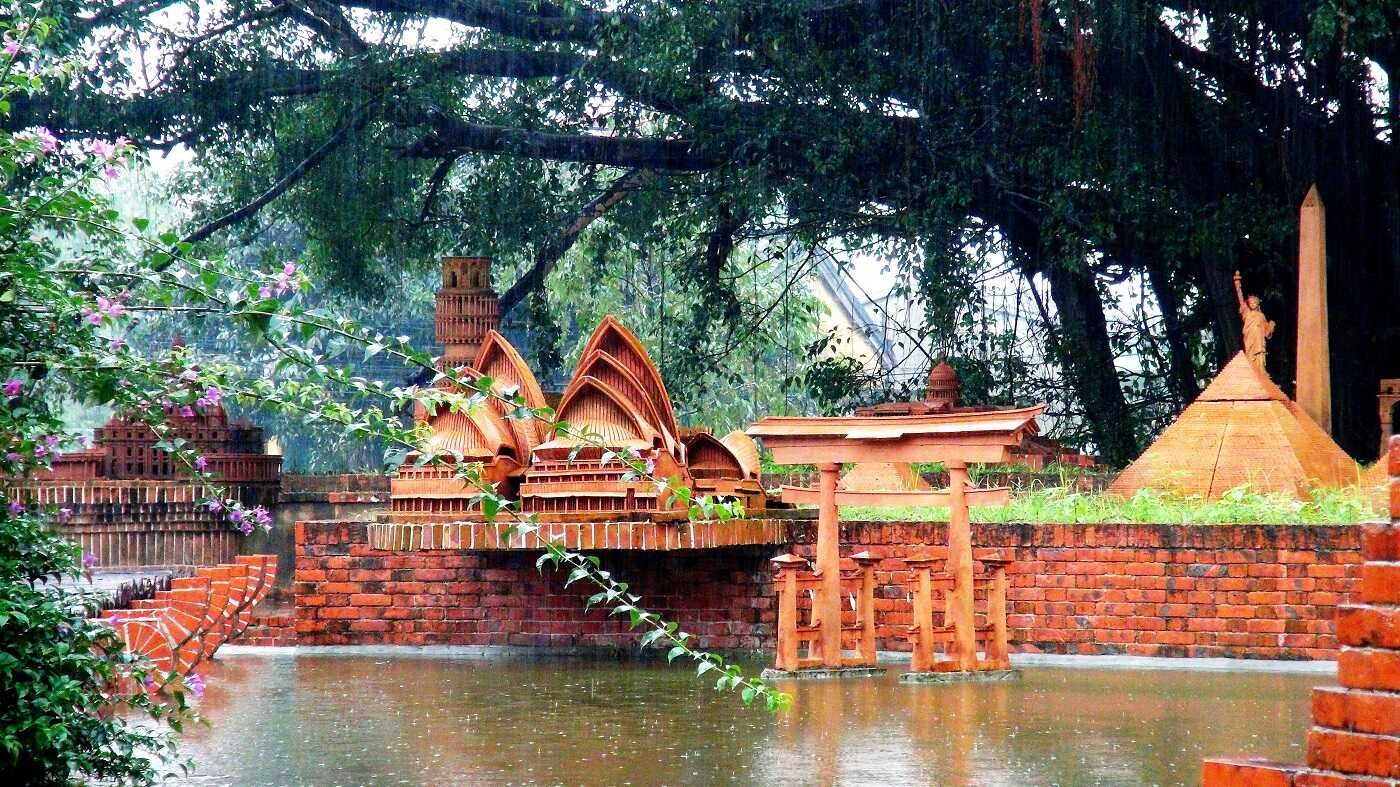
Thanh Ha Pottery Village is a location situated along the Thu Bon River. With a history of over 500 years, the pottery village has been nurtured by passionate artisans. Exploring Thanh Ha Pottery Village allows you to not only immerse yourself in the rustic rural setting but also choose from unique souvenir items.
The pottery here is made from a special type of brown clay that is dense, flexible, and highly adhesive. The entrance fee to the pottery village is only around 15,000 VND per person and is valid for one day.
Hoi An Silk Village
Hoi An Silk Village is a place that offers silk products made using traditional hand-weaving techniques. The silk village has been established and developed for over 300 years. It is also a place that showcases the life of silk weavers and the origin of the “silk route on the sea” in the 17th century. When visiting Hoi An Silk Village, you will have the opportunity to learn more about the process of creating a piece of silk fabric, starting from the initial stages.
An Bang beach
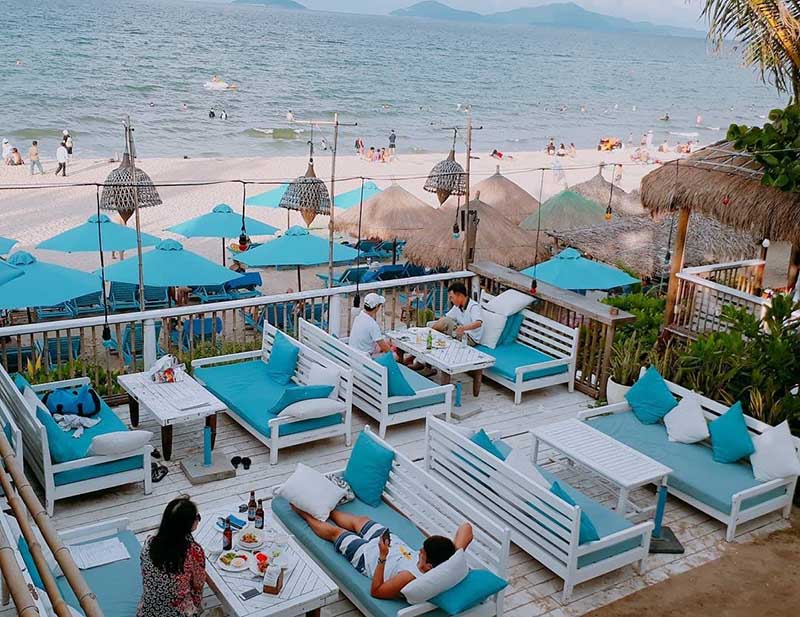
From Hoi An Japanese Covered Bridge, it takes about a 20-minute bike ride to reach An Bang Beach. An Bang Beach still maintains its pristine beauty, which is why it continues to attract many tourists over the years. When you arrive here, you will experience a tranquil atmosphere, away from the hustle and bustle of the ancient town, and admire the stretches of purple searocket flowers blooming on the sandy shore.
It is said that the Hoi An Japanese Covered Bridge is like a soul on the land of Hoi An, witnessing many historical ups and downs. Therefore, don’t miss this destination when visiting Hoi An. Hopefully, the information about the Hoi An Japanese Covered Bridge provided here will help you have a meaningful trip.
0 Comment